
Christian Book Ghostwriting Services
God has given you a message, a testimony or a lifetime of teaching, and people are waiting to read it. But writing a book alongside ministry, work and family is a lot to ask. Our Christian ghostwriters work with pastors, ministry leaders and authors of faith to turn sermons, stories and convictions into a well-written book. Your voice, your theology and your calling stay at the center. You approve every chapter, you own the finished manuscript, and your name goes on the cover.
By clicking this checkbox, you agree to our Privacy Policy & Terms and Conditions.
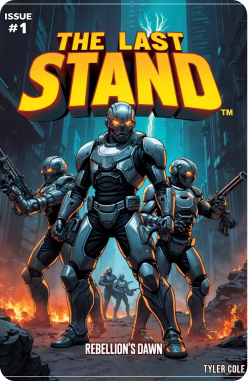

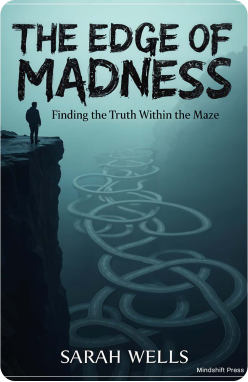

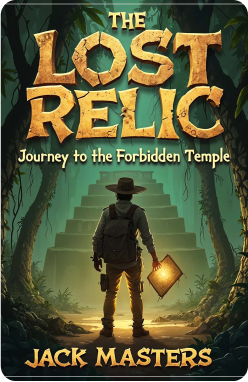
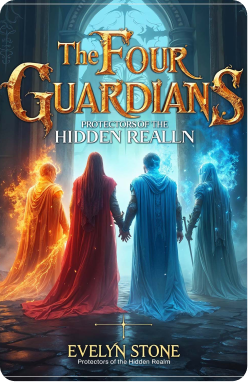


Types of Christian Books We Ghostwrite
Every kind of faith book has its own shape. Your writer is chosen to fit the book you want to publish.

Sermon-to-Book
We turn your sermon series into a structured book, adding the transitions, examples and flow that written chapters need while keeping your spoken voice.

Devotionals
Daily or weekly readings with a scripture focus, a short reflection and a prayer or question. Consistent in tone and easy to return to.

Bible Studies
Teaching chapters with discussion questions, key passages and application points for personal or group use.

Testimonies and Memoirs
Your story of faith told with honesty, structure and hope, so readers see God's work in real life.
Christian Living
Practical books on prayer, family, purpose, forgiveness and growth, grounded in scripture and written for everyday life.
Leadership and Ministry
Books on church leadership, discipleship, service and calling for pastors, teams and volunteers.
Christian Fiction
Novels and allegories shaped by faith themes, written with strong characters and a story readers want to finish.
Children's Faith Books
Age-appropriate stories and lessons with rhythm, clarity and warmth. Pair with children's book publishing.
How Our Christian Ghostwriting Process Works
We keep the process simple and respectful of your schedule. You stay involved at every step that matters.

Discovery call
We hear about your message, your reader and your goals. We ask about your doctrinal background and any translation or style preferences. You receive a recommended scope and a quote.


Writer match
We pair you with a writer who understands your type of book and your faith context. We confirm the fit before work begins.


Voice capture
Your writer studies your sermons, recordings, writing and interviews to understand how you speak. You review a short sample to confirm the voice.

Outline approval
Your writer proposes a chapter-by-chapter outline based on your material. You adjust it until the structure serves your message.

Chapter drafting
Drafts arrive in batches. You read, pray over, correct and comment, and your writer applies your feedback. Each chapter is approved before the next one begins.
Revisions and delivery
Revisions are unlimited at the chapter level, so we rewrite until the chapter feels right. We then deliver your manuscript. We then explain your options for editing, design and publishing.
Ready to Share Your Message With the Readers Who Need It?
Work with a faith-minded ghostwriter who protects your voice, your theology and your calling.
What Is Christian Book Ghostwriting?
Christian ghostwriting is professional writing support for authors of faith. A writer drafts your book in your voice, guided by your convictions, while you remain the author.
The idea is not new. Pastors, evangelists and ministry leaders have long relied on editors, scribes and collaborators to help turn spoken teaching into written books. What a ghostwriter adds is time, structure and craft. You talk through your message, share your sermons, notes and stories, and your writer shapes them into chapters that read well on the page.
What makes Christian ghostwriting different from general ghostwriting is the care required. The writer needs to understand scripture, respect your doctrine and write for readers who are looking for encouragement, teaching or hope. A mismatch shows quickly. A book that sounds like a generic motivational title will not carry a message of faith.
If you are comparing options, you may also want to read about our general book ghostwriting services. This page focuses on faith-based books and the extra care they deserve.

Who We Write For
Our clients are people with a message to share and limited time to write it.
- Pastors and preachers who want their teaching series to reach beyond Sunday morning.
- Ministry and nonprofit leaders who want to explain their mission and invite others into it.
- Women's and men's ministry leaders with study materials, devotionals or retreat teaching.
- Missionaries and evangelists with stories from the field that deserve to be told.
- Christian counselors and coaches turning years of practical guidance into a book.
- Marketplace Christians who want to write about faith and work, leadership or integrity.
- First-time authors with a testimony who need someone to help organize and write their story.
You do not need to be a writer, and you do not need a finished outline. You need a message and a willingness to talk it through.

What We Need From You
A ghostwriter can only work with what you share. These items make the book richer.
- Your recorded or written teaching. Sermons, lessons, blog posts, newsletters and talks.
- Your stories. Personal experiences, counseling moments, answers to prayer, hard seasons.
- Your convictions. The doctrines and themes that must be reflected, and any you want to avoid.
- Your preferred scripture translation. Plus any passages that are central to the book.
- Your reader. Who you are writing for and what you hope changes in their life.
- Your time. Regular conversations and prompt chapter reviews.

Sermon to Book: How a Message Becomes Chapters
Spoken teaching and written teaching work differently. A sermon builds through tone, pauses and repetition, while a chapter has to hold attention on its own.
Many pastors have years of recorded teaching and no book. Turning that material into a readable manuscript is a craft of its own.
What we do with your recordings
- Transcribe the sermons, studies or talks you choose.
- Identify the central idea and the supporting scripture in each message.
- Remove spoken filler, repeated phrases and tangents that do not help a reader.
- Reorganize the material into chapters with clear openings, development and application.
- Add transitions so chapters connect, and fill gaps that a live audience would have filled with context.
- Keep your illustrations, humor and personal stories so the book still sounds like you.
What we do not do
We do not invent teaching you did not give, and we do not change your doctrine to make a chapter easier to write. If we see a gap, we ask you how you would explain it, and then we write what you say.
A single series or a collection
A focused six-to-twelve-week series often works well as a first book. Collections of unrelated messages usually need a clear organizing theme so the book feels like one journey.
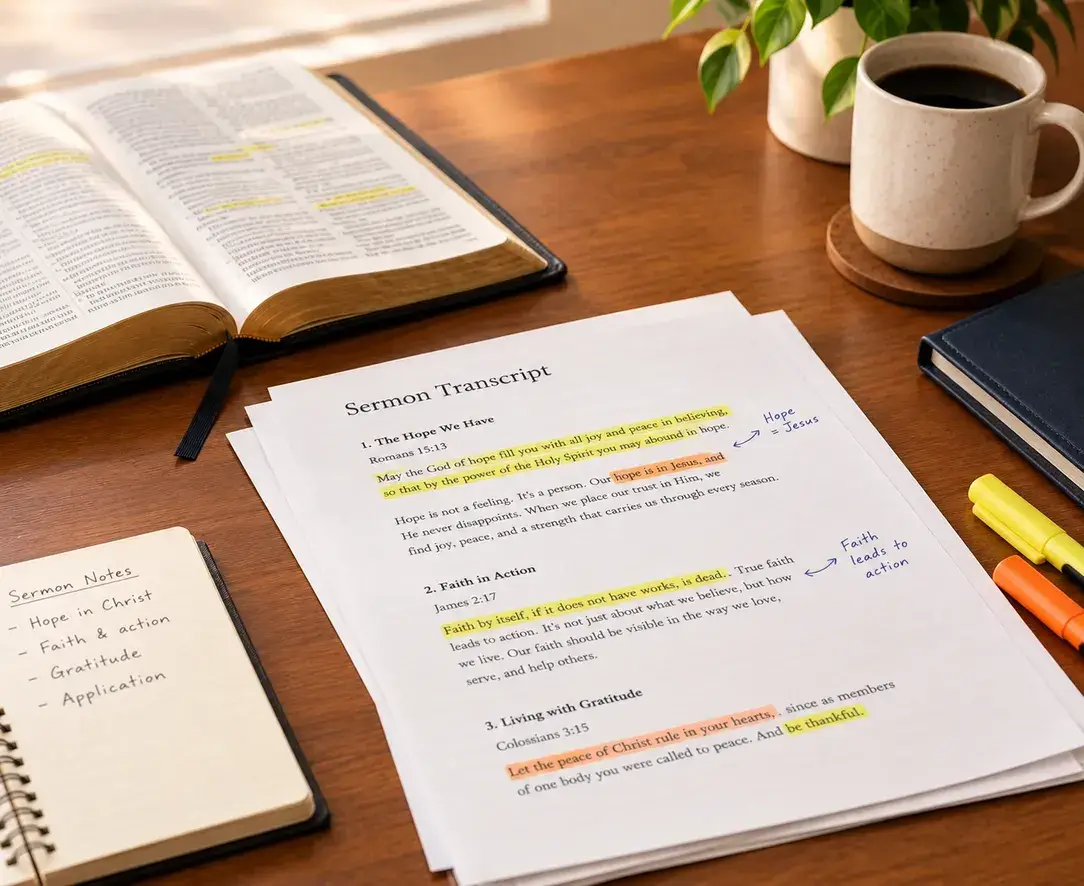
What a Sermon-Series Book Can Look Like
If you are starting from a teaching series, a typical structure looks something like this.
- Introduction: why this message matters now and who it is for.
- Core chapters: one chapter for each major message, each with a scripture anchor, teaching, illustration and application.
- Reflection questions: optional prompts at the end of each chapter for personal or group use.
- Prayer or response: a closing prayer or action step, if it fits your style.
- Conclusion: a final call to the reader, tying the chapters together.
- Back matter: an appendix of scripture references, further reading or leader notes.
Your writer proposes the structure after hearing your material, and you adjust it.
Writing Your Testimony: Structure and Sensitivity
A testimony is powerful when it is honest, organized and written with care for everyone it touches.
Finding the shape of your story
Many testimonies follow a simple movement: life before, a turning point, and life after. Your writer helps you decide where the story begins, which moments matter most and how to end with hope instead of a tidy summary.
Telling the truth with care
Your story may include other people: family, former friends, church leaders or people who hurt you. We help you decide what to include, what to change and what to leave out, so you are honest without causing needless harm. Names can be changed, details can be blended and some events can be described in general terms.
Handling painful material
Stories of loss, addiction, abuse or doubt require sensitivity. Your writer approaches them with respect, at your pace, and you choose how much detail appears on the page.
Keeping God at the center
The best testimonies show what God did, not only what the author overcame. Your writer will ask how you want to express that, and use your words.

Biblical Accuracy and Theological Alignment
A faith book must be faithful. We build accuracy into the process from the first conversation.
Before drafting begins, we ask about your denomination, your convictions on key doctrines and any translation you prefer. Your writer follows those guidelines throughout. When scripture is quoted, references are checked against the translation you choose, and copyright notices are prepared where required.
Safeguards in our process
- A doctrinal and style intake before writing begins
- Scripture references checked against your chosen translation
- Your review and approval of every chapter
- Optional review by a pastor, elder or theological reader you trust
Quoting scripture also involves permissions. Our Christian book publishing page explains quotation limits, and translation publishers such as Biblica share their permissions guidelines.
Our faith-centered approach is simple: your message stays true to your theology and your Christian beliefs. We treat the doctrinal intake as part of the brief, and you remain the final reviewer of every chapter.

Your Voice, Your Calling and Your Name on the Book
A book of faith should sound like the person God called to write it.
Readers connect with a real voice. Your ghostwriter's goal is to disappear into yours, so a reader who has heard you preach hears you again in the book. That means keeping your favorite phrases, your way of illustrating a point and your tone, whether gentle, bold, humorous or scholarly.
You also decide how credit appears. Some authors choose full confidentiality. Others thank their writer in the acknowledgments or add an "as told to" line. We settle this in writing before the project begins.
Some authors ask whether it is appropriate for a minister to use a writing partner. Many do, in the same way they use editors, researchers and assistants. The key is honesty about the work: the message is yours, the convictions are yours and you stand behind every word. If your church or tradition has expectations about disclosure, follow them.

Ownership, Confidentiality and Contracts
The finished manuscript belongs to you. We put that in writing before work begins.
In a standard agreement, the writer assigns the rights in the manuscript to the client. U.S. copyright law has specific rules for works made for hire, and your contract should state clearly which approach applies. We also recommend asking an attorney to review any agreement if you have questions.
What we confirm in writing
- You own the finished book and decide how it is published.
- Your project and your source material remain confidential.
- Revision rounds and payment milestones are defined.
- Credit, or lack of credit, follows your choice.

What Does Christian Ghostwriting Cost?
Price depends on the book, not on a flat rate. Length, research, source material and schedule all play a role.
- Length. A short devotional and a full-length study are very different jobs.
- Source material. A well-organized sermon series needs less shaping than a testimony built from scratch.
- Research. Books with history, quotations or citations need more checking.
- Timeline. Faster delivery requires a larger commitment from the writer.
- Extras. Editing, design and publishing add to the total.
What the market looks like
For a full Christian book project, the common range is about $15,000 to $50,000, depending on length, the writer's experience and how much research or shaping your material needs. Shorter devotionals and guides sit lower in that range.
How our quotes work
Start with a free 30-minute consultation. We then send a written, fixed-price proposal, usually within 48 to 72 hours, so you know exactly what is included before you decide.
For a useful overview of what drives pricing, read how much a ghostwriter costs.

How Long Does It Take?
Most full-length Christian books take about three to six months from the first session to an approved manuscript, depending on length and how quickly you can review chapters.
Writing a full-length book alone commonly takes 300 to 500 hours, and a ghostwriter compresses that into a realistic three to six month project. Planning and interviews usually take the first few weeks. Drafting is the longest phase, and prompt feedback keeps it moving. A busy ministry calendar affects timing, so tell us about conferences, seasons of travel and deadlines at the start. If you need the book ready for an event, we will plan backward from that date and tell you honestly whether it is realistic. We give you a written timeline before any writing begins, and we hold to it.

How to Choose a Christian Ghostwriter
Whoever you choose will carry your message into print. Ask careful questions.
- Can I read samples of faith-based work?
- Does the writer understand my tradition and my vocabulary?
- How will you capture my voice before the full draft?
- How is scripture handled and checked?
- Who owns the manuscript, and how is confidentiality protected?
- What happens if a draft does not feel right?
Be cautious about promises of guaranteed sales, and about providers who will not name the writer. The Authors Guild offers guidance for authors reviewing contracts and services. When you are ready, talk to our team about your book.

Mistakes to Avoid When Writing a Christian Book
A few common missteps are easy to prevent.
- Trying to cover everything. A focused book serves readers better than a survey of every topic you know.
- Quoting too much scripture without comment. Readers value your explanation and application, not just a list of verses.
- Writing like a sermon transcript. Spoken style needs adaptation for the page.
- Ignoring permissions. Check translation, song lyric and quotation limits before publication.
- Skipping editing. Even a well-written draft needs a careful edit and proofread.

Why Choose Christian Faith Press
We combine ghostwriting with the editing, design and publishing that follow, so your book has one steady partner.
- Full-path support. After the manuscript, we offer developmental editing, book editing, cover design and Christian book publishing.
- Clear process. You know the steps, the schedule and the cost before work begins.
- Respect for your message. Our goal is to serve your convictions.
- Your choice at the end. You may publish with us or take the manuscript elsewhere.
Our writers are based in the United States and experienced across more than 20 genres, and every project is protected by strict confidentiality, with an NDA available on request. You keep 100% of the rights, the copyright and the royalties. When you contact us, our team replies within 24 hours.

What Our Authors Say


Christian Ghostwriting FAQs
Common questions from pastors and authors of faith.
What is Christian ghostwriting?
Can a ghostwriter turn my sermons into a book?
Will the writer share my faith and understand my theology?
Will the book sound like me?
How much does a Christian ghostwriter cost?
Do I own the book and can the writer stay anonymous?
How long does it take to ghostwrite a Christian book?
Can you also edit, design and publish the book?
Is it acceptable for a pastor or ministry leader to use a ghostwriter?
Can you write a testimony from my notes or interviews?
Let’s Begin!
Prefer to talk now? Start a live chat
By clicking this checkbox, you agree to our Privacy Policy & Terms and Conditions.

For project inquiries only:

For project inquiries only:

Physical Address:
30 N Gould St Ste R, Sheridan, WY 82801